


Popular Search
How To Prevent Period Leaks

Tired of worrying about period leaks during class, sports practice, or after-school hangouts? In this guide, you'll discover simple, actionable strategies to prevent unexpected leaks, so you can focus on your schoolwork and activities without constant stress. By the end, you'll have a personalized routine that fits your busy student schedule.
Why should you care about mastering leak prevention as a student? Unexpected leaks can cause embarrassment, pull your attention away from lessons, and force you to cut activities you enjoy short. But it's important to understand that leak prevention doesn't have to be complicated or expensive—small, consistent choices make a huge difference.
Why Learning to Prevent Period Leaks Is Worth Your Time
- Less classroom stress: You won’t have to sneak to the bathroom every hour to check for leaks, so you can stay focused on lectures and participate in class discussions freely. This also means you won’t miss important lesson content worrying about mishaps.
- More activity flexibility: You can join PE classes, after-school sports, and field trips without holding back or sitting on the sidelines to avoid leaks. You’ll get to enjoy all parts of your student experience without unnecessary limits.
- Saves time and money: You won’t have to rush to buy emergency supplies at the school store or replace stained clothes, which is a big plus for students on a tight budget. This also cuts down on last-minute stress between classes.
- Builds self-confidence: Knowing you have a reliable routine in place lets you feel secure and comfortable in any school setting, from group projects to prom. You’ll be able to focus on connecting with friends and reaching your goals instead of worrying about your period.
Step-by-Step Guide to Preventing Period Leaks
Step 1: Track your period flow pattern for 2 to 3 cycles
Start by noting your start and end dates, as well as your heavy flow days, using a free phone app or a small notebook you keep in your backpack. Most people have 1 to 3 heavy days each cycle, and knowing when these fall helps you prepare the right supplies ahead of time. Common mistake to avoid: Don’t assume your flow is the same every cycle—stress, exams, and sports can change your flow slightly, so check in with your body each month.
Step 2: Choose period products that match your daily activities and flow
For light flow days or regular classes, slim pads or regular tampons work well, while heavy flow days may call for super-absorbent options or period underwear. If you have PE or sports practice after school, opt for a product designed for movement, like a menstrual cup or leak-proof activewear. Pro tip: If you’re new to tampons or cups, practice using them at home first on a weekend so you feel comfortable inserting them quickly between classes.
Step 3: Pack a portable emergency kit for your backpack or locker
Your kit should include 2 to 3 extra period products (mix of pads and tampons for different flow levels), a small pack of wet wipes, and a spare pair of underwear in a sealed bag. You can also add a dark foldable scarf or jacket to tie around your waist just in case you need a quick cover. Common mistake to avoid: Don’t leave your kit at home on light flow days—you never know when your period might come early or get heavier unexpectedly.
Step 4: Set regular change reminders that fit your class schedule
Most period products need to be changed every 4 to 6 hours, so set quiet phone reminders between classes or during lunch breaks to avoid leaving a product in too long. If you have a long exam block, schedule a quick bathroom break halfway through to check and change your product if needed. Pro tip: If you can’t use your phone at school, write a small note in your planner or ask a trusted friend to remind you between classes.
Step 5: Wear dark, layered clothes on heavy flow days
Choose dark-colored jeans, leggings, or skirts on your heaviest flow days, so small leaks are less visible if they do happen. Wearing a thin, long undershirt or tunic that covers your hips also adds an extra layer of protection if you’re worried about visible stains. Common mistake to avoid: Don’t wear super tight white or light-colored bottoms on heavy flow days, as they show even small leaks much more easily.
Step 6: Adjust your routine if you have unusual cramping or flow changes
If you notice your flow is heavier than usual, or you have bad cramping that makes it hard to move, switch to a more absorbent product and check in with the school nurse if you need extra support. You can also ask your teacher for a quick bathroom pass if you need to check your supplies before a reminder goes off. Pro tip: Keep a small pack of pain relievers (with your school’s permission) in your kit to manage cramping that might distract you from noticing flow changes.
Challenges to Be Aware Of
- Irregular period cycles: Many students have irregular cycles for the first few years after their period starts, which can make it hard to predict when your period will arrive. This can lead to unexpected leaks if you don’t have supplies on hand. To mitigate this, keep a small emergency kit in your backpack year-round, even when you don’t think your period is coming.
- Limited bathroom access at school: Some schools have strict bathroom pass rules or long lines between classes, which can make it hard to change your product on time. This increases the risk of leaks if you leave a product in longer than recommended. Talk to your teachers or school nurse at the start of the year to explain your needs, so you can get permission to use the bathroom when you need to.
- Budget constraints for period products: Many students are on a tight allowance, and high-quality leak-proof products like period underwear or menstrual cups can feel too expensive to buy. This can force you to use lower-quality products that are more likely to leak. Look for free period product programs at your school, or ask your local community center for low-cost or free supplies if you need support.
Conclusion
You now have the foundation to start preventing period leaks confidently, even with your busy student schedule. All the strategies in this guide are low-effort and easy to fit into your existing routine, so you don’t have to spend extra time stressing about your period.
Mastering leak prevention offers the chance to fully engage with all parts of your school life, from exams to after-school activities, without unnecessary embarrassment or stress. By building this simple routine, you’re positioning yourself to feel more confident and focused every month.
Don’t wait for the perfect moment. Start packing your emergency period kit today. Small, simple choices right now will help you feel more secure and prepared for your next cycle, so you can focus on what matters most to you.
FAQ
How long does it take to build a reliable leak prevention routine?
Most students can set up a basic routine in 1 to 2 cycles, as you learn more about your personal flow pattern and which products work best for you. You may need to adjust your routine for the first few months as you test different products and schedule strategies. Be patient with yourself, and keep note of what works to make the process faster.
Do I need to buy expensive period products to prevent leaks?
You don’t need expensive products to prevent leaks—affordable disposable pads and tampons work well for most people when changed regularly. If you want to invest in reusable options later, menstrual cups and period underwear can be cost-effective over time, but they are not required. Start with products you can easily access and afford, and experiment as you go.
What's the best way to handle leaks if they happen at school?
If you notice a leak, head to the bathroom as soon as you can, and use your spare underwear and supplies from your emergency kit. If you don’t have a change of clothes, tie a dark jacket or scarf around your waist to cover the stain until you can get home. You can also ask the school nurse or a trusted friend for extra supplies if you need help, and don’t be afraid to ask to go home early if you feel uncomfortable.
Can I still play sports and do physical activities without leaking?
You absolutely can play sports and be active on your period without leaking, as long as you choose the right product for movement. Menstrual cups, leak-proof period underwear, and super-absorbent tampons are all great options for physical activity, as they stay in place even when you run or move around. Test out different products during practice first to see what feels most comfortable for you, so you feel confident during games or competitions.

RECOMMEND ARTICLES

How To Find Out If You Are Cute Or Hot: A Friendly Guide For Girls
How To Use Photo Recovery Apk: A Complete Step-by-Step Guide For All Users

What Was The Cause Of Your Death In Your Past Life?
How To Land An Office Cleaner Job With Flexible Shifts And Flexible Tenure Options

How To Land A Part-Time Nursing Job In A Nursing Home: A Step-by-Step Guide

How To Explore And Thrive In 99 Nights In The Forest New Map

How To Find Hidden Free Rewards In Avakin Life Today: A Step-by-Step Guide

How To Use The Steal A Brainrot OP Script: A Step-by-Step Guide

How To Find And Enjoy Toca Hidden Items: A Complete Guide

Generate Your 2026 New Year Calendar Frame!
Most Read

How To Discover If You Are An ANGEL Or A DEVIL
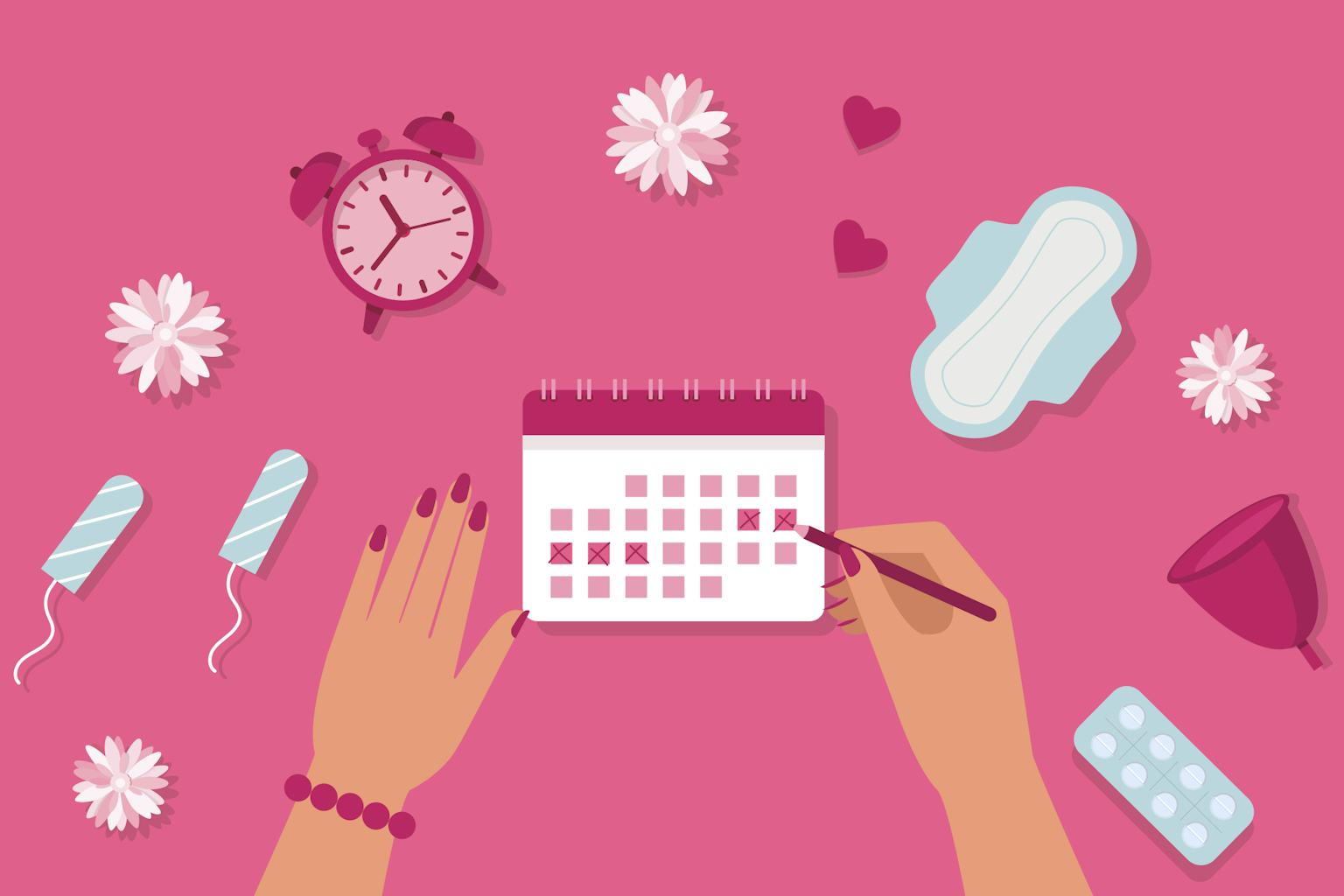
How To Scientifically Predict Your Next Period

How To Grow A Garden With Stealer Script: A Complete Player's Guide
How To Use Ghost Code In Brookhaven RB: A Complete Player's Guide

How To Use 99 Nights In The Forest Script: A Complete Player's Guide

How To Find Hidden Plants And Rare Seeds In Grow A Garden
Subscribe For New Quizzes
Copyright © 2019-2026 | All rights reserved.